Does Junk Car Buyer Price Change Upon Arrival?
Table of Contents
Does Junk Car Buyer Price Change Upon Arrival?
What Affects Junk Car Value
Why a Junk Car Quote Changed at Pickup
Legitimate Reasons for Price Adjustments
Red Flags: When a Price Drop Is Suspicious
The Junk Car Pickup Process
Questions to Ask a Junk Car Buyer
How to Protect Your Price and Verify the Quote
What to Do If the Buyer Changes the Offer
Frequently Asked Questions
Last Updated: October 11, 2026
Does Junk Car Buyer Price Change Upon Arrival?
Yes, it happens. A buyer quotes you $800 over the phone. When they arrive and inspect your car, the offer drops to $600. You're frustrated. You feel trapped. But here's what matters: understanding why the price changes and knowing how to protect yourself.
The question "does junk car buyer price change upon arrival" isn't just common, it's one of the biggest concerns sellers have before they call. Some price changes are legitimate. Others are pressure tactics designed to catch you off guard. Knowing the difference protects your deal.
This guide walks you through what actually affects junk car value, why quotes shift, and exactly what to do if a buyer tries to lower their offer at pickup.
What Affects Junk Car Value
Your junk car's value isn't fixed. It moves based on several real factors that a professional buyer evaluates in person.
Vehicle condition tops the list. A car that runs but has transmission problems is worth more than one that doesn't turn over at all. A vehicle with minor rust and dents is worth more than one that's been sitting in a flood.
Make, model, year, and mileage matter because they determine parts value. A 2015 Honda Accord has more resale parts demand than a 2005 Kia Spectra. Newer vehicles and popular brands hold more value in the parts market.
Scrap metal prices fluctuate. When copper and aluminum prices are high, your vehicle's raw metal value increases. When markets soften, that value drops. A buyer who quotes you today might quote you differently next week if metal prices shift.
Parts value and resale potential factor in heavily. Does your car have an intact transmission, alternator, or catalytic converter? These sell individually. A vehicle stripped of valuable parts is worth less than one with components still intact.
Vehicle location and towing distance affect the buyer's costs. If you're in Katy and the buyer is based in Houston, towing adds expense. That gets factored into what they can offer.
Why a Junk Car Quote Changed at Pickup
Understanding the mechanics behind a price shift helps you spot what's legitimate and what isn't.
Legitimate Reasons for Price Adjustments
A buyer arrives and discovers something the phone quote didn't reveal. The transmission is seized, not just slipping. The frame is cracked, not just dented. The engine won't turn over at all. These discoveries happen because a phone conversation can only capture what you tell them, it's not a full inspection.
When you describe your car as "not running," a buyer assumes mechanical failure. When they arrive and find the engine is flooded or the battery is dead, issues that might be fixable, the valuation changes. A car that might run with a new battery is worth more than one with a bad engine block.
Rust severity is hard to assess over the phone. You might say "some surface rust." The buyer arrives to find rust has eaten through the undercarriage. That affects structural integrity and parts salvageability.
Odometer reading matters. If you told the buyer your car has 150,000 miles but the odometer reads 250,000, that changes the parts value estimate. Mileage directly impacts which components are still viable to harvest and resell.
Damage you didn't mention gets discovered. A bent frame, flood damage, or missing engine components weren't part of the original conversation. The buyer adjusts their offer based on what they actually see.
Watch Out A legitimate price adjustment happens when the car's actual condition differs significantly from what was described during the quote call. If the buyer finds major damage or mechanical failure that changes the parts value, an offer revision is normal. What's NOT normal is a small drop for minor cosmetic issues discovered on-site.
Red Flags: When a Price Drop Is Suspicious
Some buyers use inspection day as a negotiation tactic. They quote high to get you committed. Then they arrive, point to minor issues, and pressure you to accept less money right there.
This happens when the "new discovery" is something you already mentioned. You said the car doesn't run. They arrive, confirm it doesn't run, and suddenly claim that justifies cutting the price in half. That's not a discovery, that's a bait-and-switch.
Watch for vague reasons. A buyer says "the condition is worse than expected" but won't specify what changed. They point to normal wear and tear, a dent, faded paint, worn interior, and claim it wasn't visible in photos or during your phone conversation.
Another red flag: the buyer claims they need to run a diagnostic or take the car to a mechanic to confirm value. If they're buying it as scrap or parts, they shouldn't need a full diagnostic. That delay tactic often precedes a lower offer.
Pressure to decide immediately is a classic sign. A trustworthy buyer gives you time to think if the offer drops significantly. A pressure buyer says "I can only do this price right now" and wants your signature in the next five minutes.
The Junk Car Pickup Process
Understanding the typical sequence helps you spot when things go off track.
You call a buyer and describe your vehicle. They ask questions about condition, whether it runs, whether you have the title, and your location. Based on that conversation, they provide a quote. This is the initial quote phase.
The buyer schedules a pickup time. You confirm the appointment. This is the scheduling phase.
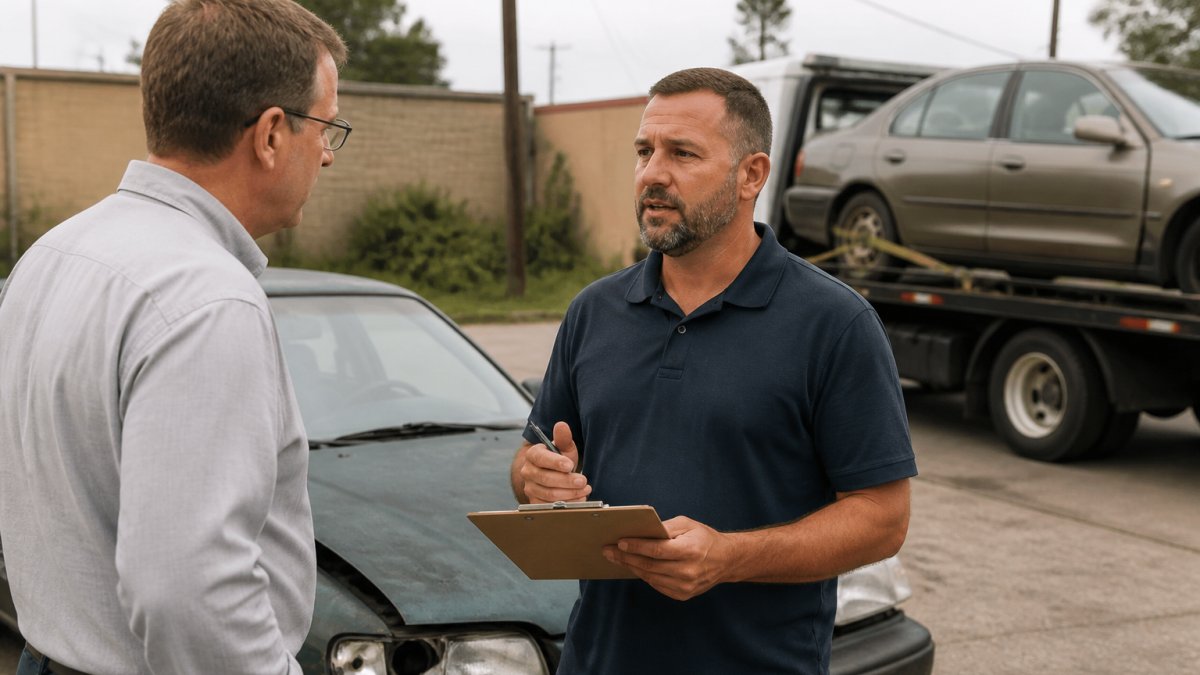
On pickup day, the buyer's driver arrives with a tow truck. They inspect the vehicle in person, checking the condition, looking for damage, confirming it matches what you described. They verify the title and your identification.

If everything matches the quote, they proceed to load the car. If they discover significant discrepancies, they may present a revised offer. This is the offer confirmation or revision phase.
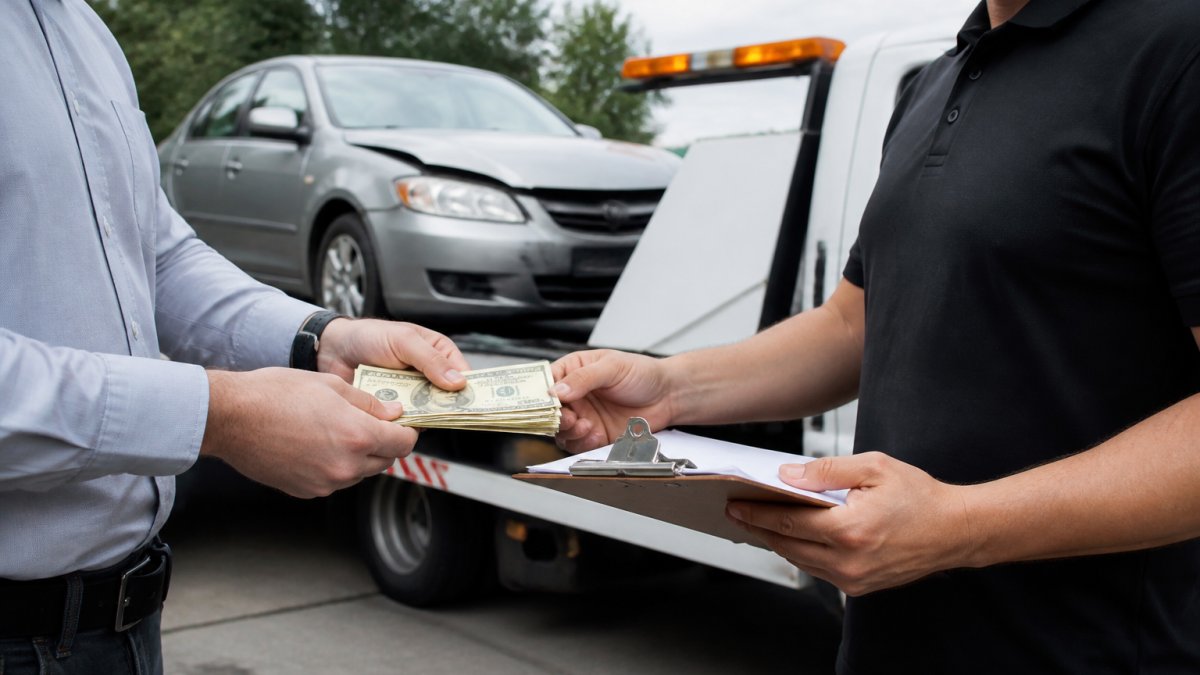
Once you agree, they load the vehicle onto the tow truck, complete the title transfer, and provide payment. This is the payment and removal phase.
The entire process typically takes 30 minutes to an hour on-site.
Questions to Ask a Junk Car Buyer
Before you agree to a pickup, ask these questions directly. The answers reveal whether you're dealing with a straightforward buyer or someone likely to change their offer.
"Is the quote you're giving me locked in, or can it change when your team arrives?" A good buyer will say the quote is solid unless major discrepancies exist.
"What happens if I disagree with a lower offer on pickup day?" A trustworthy buyer won't pressure you. They should say you can decline and they'll leave.
"Do you need the title, or can you buy the car without it?" This clarifies what paperwork you need ready. It also tests whether they're legitimate. Reputable buyers know their title requirements upfront.
"How long does the inspection take, and what are you checking for?" This shows they have a process. If they can't explain what they're inspecting, they're not professional.
"What's included in your free towing?" Confirm they cover the full removal and there are no hidden fees. Some buyers claim free towing but charge for long distances or difficult pickups.
"Can you provide the offer in writing before pickup?" This protects you. A written quote gives you something to reference if they try to change the price on-site.
How to Protect Your Price and Verify the Quote
Protection starts before pickup day.
Document everything in writing. When the buyer quotes you a price, ask them to send it via email or text. Include the vehicle description, year, make, model, mileage, condition notes, and the quoted price. This creates a record.
Take photos of your vehicle before pickup. Photograph the overall condition, any damage, the interior, and the engine bay if possible. Timestamp these photos.
Have your title and ID ready. Verify you have the paperwork they need. If you're missing a title, confirm in advance that they can still buy the car. Don't let this become a surprise that triggers a price drop on pickup day.
Stay present during the inspection. Don't leave the driver alone with the car. Watch what they check. Listen to what they say. If they claim to find something new, ask them to show you. A legitimate issue should be obvious, rust, damage, fluid leaks.
Get the revised offer in writing if it changes. If the buyer presents a lower offer at pickup, ask them to explain specifically why and get the new price in writing before you sign anything. Don't accept verbal assurances.
Pro Tip Before the tow truck arrives, send the buyer a text or email confirming the pickup time and restating the quoted price. This creates a paper trail. If they arrive with a different offer, you have proof of what was originally quoted.
What to Do If the Buyer Changes the Offer
You've prepared. You have the quote in writing. The buyer arrives and still tries to lower the price. Here's how to handle it.
Stay calm and ask for specifics. Don't react emotionally. Ask the buyer exactly what they found that justifies the lower offer. Make them articulate it.
Compare it to your documentation. If you took photos, pull them up. If the buyer claims new damage, show them your photos from before pickup.
Reference the written quote. Pull out the email or text with the original offer. Point out that you're holding them to the price you both agreed on.
Offer to get a second opinion. If the buyer claims a mechanical issue, suggest they get a diagnostic or have a mechanic inspect it.
You have the right to decline. If the offer drops significantly and you don't agree with the reason, you can say no. The buyer can't force you to sell.
Know your walk-away point. Before pickup day, decide what price drop you'd accept. If the buyer's revised offer is within that range, you might take it.
Watch Out If a buyer pressures you to decide immediately and won't give you time to think, that's a major red flag. A trustworthy buyer respects your right to consider a revised offer. Pressure is a negotiation tactic, not a sign of legitimacy.
Selling a junk car shouldn't feel like a gamble.
Factor | What It Means | How It Affects Price |
Vehicle runs or not | Engine cranks vs. seized |
|
Frame damage | Bent vs. straight frame | Bent frames reduce value significantly |
Title status | Have it vs. missing |
|
Mileage | Higher vs. lower miles | Affects parts salvage value |
Rust severity | Surface vs. structural | Structural rust reduces parts value |
Towing distance | Close vs. far from buyer | Longer distance may reduce offer |
Frequently Asked Questions
Can a junk car buyer change the price when they arrive?
Yes, some buyers may adjust their offer at pickup after inspecting the vehicle in person. However, legitimate reasons include discovering undisclosed damage, mechanical issues, or missing components not apparent in photos or your description. A reputable buyer like I Buy Junk Vehicles will explain any adjustment and honor the original quote if the vehicle matches your disclosure. Always ask upfront about price guarantee terms and get your quote in writing to protect yourself.
What affects junk car value the most?
The primary factors are vehicle make, model, year, and current running condition. Scrap metal prices and parts demand also influence value significantly. Damage, mileage, and missing components lower offers, while vehicles with salvageable parts or higher metal content are worth more. Free towing and your location also matter because pickup costs reduce what the buyer can pay. Providing accurate details upfront helps ensure your initial quote reflects true vehicle value.
What questions should I ask a junk car buyer before accepting an offer?
Ask whether the quoted price is guaranteed at pickup, if damage discovery changes the offer, what towing is included, and how payment works. Request the quote in writing with specific terms listed. Ask about their inspection process and whether they honor quotes for vehicles matching your description. Confirm they accept your vehicle's title status and ask about any fees or deductions. These questions help you avoid surprises and identify trustworthy buyers.
How does the junk car pickup process work?
The typical process starts with an online or phone quote based on your vehicle details. Once you accept, a buyer schedules pickup at your convenience, usually within 24-48 hours. The driver inspects the vehicle, verifies it matches your description, and completes paperwork. You receive payment on the spot in most cases, and the vehicle is loaded for towing. Free towing is standard with reputable buyers, so no costs come out of your cash offer.
Get Quote
Comments