Sell a Car With Bad Transmission: Complete Guide
Table of Contents
Is It Legal to Sell a Car With a Bad Transmission?
What to Disclose When Selling a Junk Car
Junk Car Valuation Factors: What Affects Your Offer
Repair vs. Sell: How to Decide With a Bad Transmission
Selling a Car Without a Title
Step-by-Step Process for Selling Your Vehicle
Step 1: Get an Instant Quote
Step 2: Schedule Free Towing
Step 3: Prepare Your Paperwork
Step 4: Receive Payment on Pickup Day
Private Party Sale vs. Dealership Trade-In vs. Junk Buyers
Conclusion
Frequently Asked Questions
Last Updated: October 2, 2026
Is It Legal to Sell a Car With a Bad Transmission?
Yes, it's legal to sell car bad transmission. But there's a critical catch: you must disclose the problem to the buyer. Selling a vehicle with a bad transmission without telling the buyer is fraud in most states, and it exposes you to legal liability.
The key principle is as-is condition. When you sell a car as-is, the buyer accepts it in its current state. However, "as-is" doesn't mean you can hide defects. You still have a legal obligation to disclose known mechanical issues, including transmission failure.
State laws vary slightly, but most require honest disclosure of major mechanical problems. Some states have specific lemon laws that protect buyers from hidden defects. The safest approach is to document everything in writing, use an as-is bill of sale that clearly states the transmission is non-functional and that the buyer accepts the vehicle in its current condition.
At I Buy Junk Vehicles, we buy cars with bad transmissions regardless of condition, and we manage the title transfer and paperwork so you don't have to worry about liability after the sale.
Watch Out Selling a vehicle with hidden mechanical problems can result in the buyer suing you for damages, even after the sale is complete. Always disclose transmission issues in writing.
What to Disclose When Selling a Junk Car
When you're selling a car bad transmission, disclosure is your legal protection. Here's what you need to disclose:
Major mechanical failures:
The transmission is non-functional or slipping gears
Engine problems or overheating
Brake system failures
Electrical system issues
Flood damage or water damage history
Vehicle history:
Previous accidents or collision damage
Odometer reading (accurate mileage)
Any recalls the vehicle has outstanding
Title status (clean, salvage, rebuilt, or branded title)
Condition specifics:
Whether the vehicle runs or is non-running
Any missing or damaged parts
Rust, corrosion, or structural damage
Interior damage or missing components
The best practice is to create a written bill of sale that lists all known issues. This protects you legally because it proves you informed the buyer. A simple template should include:
Vehicle identification number (VIN)
Current odometer reading
List of known defects (transmission failure, mechanical issues, etc.)
Statement that the vehicle is sold as-is
Buyer's signature confirming they accept the vehicle in its current condition
Many buyers of junk cars with bad transmissions expect problems, they're pricing accordingly. Transparency builds trust and prevents disputes later.
Pro Tip Document everything in writing. A signed bill of sale that lists the bad transmission protects you from future liability claims and shows the buyer knew exactly what they were getting.
Junk Car Valuation Factors: What Affects Your Offer
The value of a car with a bad transmission depends on several factors. Understanding these helps you know what to expect when getting an offer.
Vehicle age and mileage: Newer cars with lower mileage are worth more, even with transmission failure. A 2018 sedan with 80,000 miles is worth more than a 2010 model with 150,000 miles, both with bad transmissions.
Make and model: Popular vehicles with demand for parts (like Honda Civics or Toyota Corollas) command higher scrap value. Luxury vehicles or trucks may have higher salvage value depending on parts demand.
Condition of other systems: A car with a bad transmission but a working engine, intact frame, and good electrical system is worth more than one with multiple failures. Buyers assess the drivetrain damage separately from other mechanical issues.
Salvage value and scrap metal: The current market price for scrap metal affects your offer.
Key Takeaway A car with a bad transmission is still worth money as scrap metal and for parts. The exact value depends on age, mileage, make, model, and current market conditions for salvage materials.
Repair vs. Sell: How to Decide With a Bad Transmission
A transmission repair is expensive, typically between $1,500 and $4,000 for a rebuild, or even more for a replacement. Before deciding to repair or sell, do the math.
When repair makes sense:
Your car is newer (less than 10 years old)
The vehicle has low mileage (under 100,000 miles)
Other systems are in good working condition
You plan to keep the car for several more years
The repair cost is less than 50% of the vehicle's market value
When selling makes sense:
Your car is older or has high mileage
Multiple systems are failing (transmission plus engine, electrical, etc.)
Repair costs exceed 40-50% of the vehicle's remaining value
You need cash quickly
The vehicle has been sitting unused for months
Compare your options:
Private party sale: Takes time, requires disclosure, lower offer
Dealership trade-in: Convenient but typically low offers for junk cars
Junk car buyer: Fast, instant quote, free towing, no repairs needed
Selling a Car Without a Title
Selling a car without a title is possible but more complicated. Many states allow title-less vehicle sales, but the process varies.
Why you might not have a title:
Previous owner lost it
The vehicle was inherited
The car has been sitting for years
The title was damaged or destroyed
Watch Out Selling a vehicle without a title to a private buyer is risky for both parties. Always disclose the missing title upfront, and consider using a junk car buyer who specializes in title-less vehicle sales.
Step-by-Step Process for Selling Your Vehicle
Selling a car with a bad transmission doesn't have to be complicated. Here's how the process works when you sell to a professional junk car buyer like I Buy Junk Vehicles.

Step 1: Get an Instant Quote
Start by providing basic information about your vehicle: year, make, model, mileage, and condition. Include details about the bad transmission and any other mechanical issues. Be honest about the vehicle's condition, it helps us give you an accurate quote.
Step 2: Schedule Free Towing
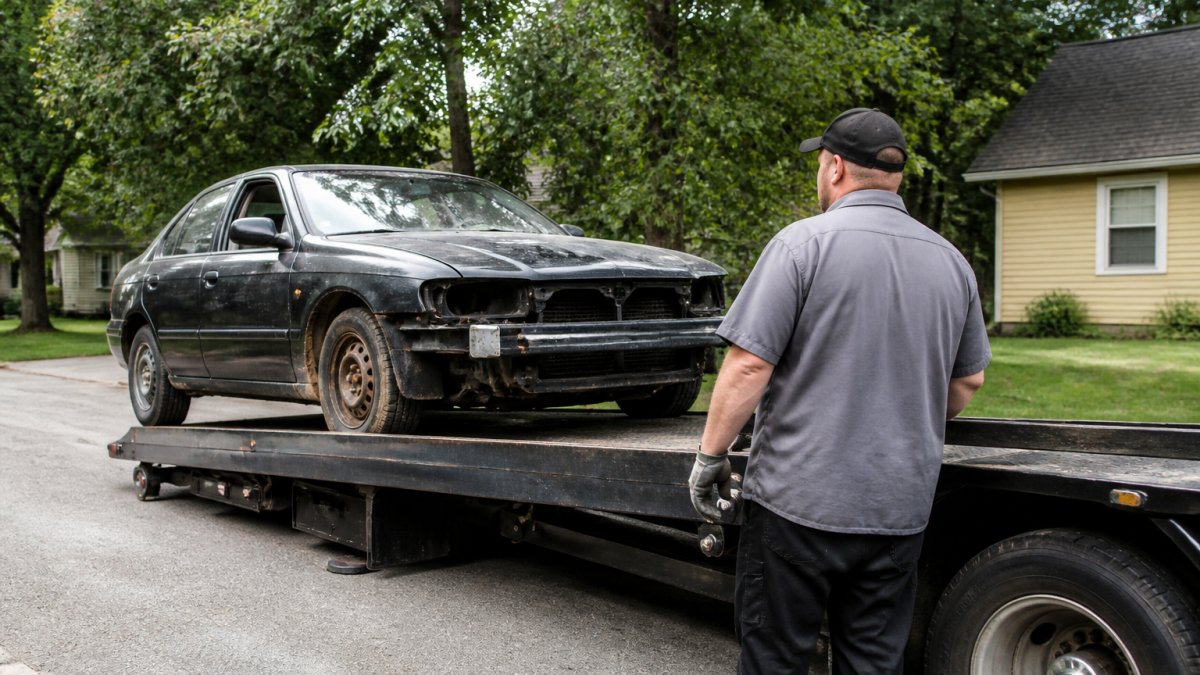
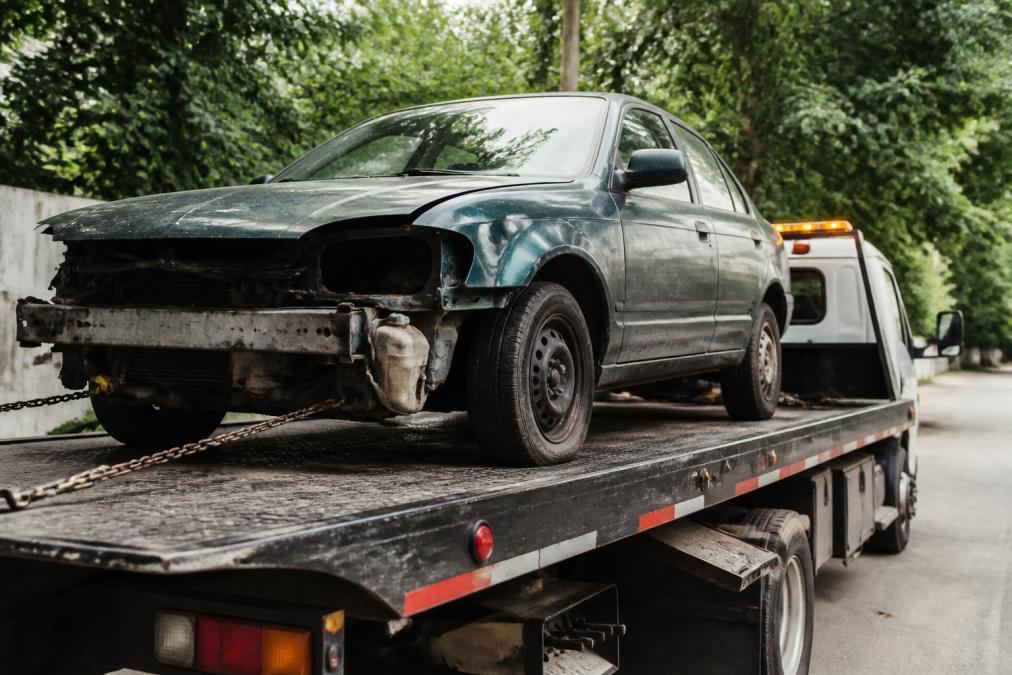
Once you accept the quote, schedule a pickup time that works for you. Professional junk car buyers offer free towing, that's included in your offer. You don't pay extra for pickup, and you don't have to arrange transportation yourself.
Step 3: Prepare Your Paperwork
Gather your documents before pickup day. You'll need:
Vehicle title (if you have it)
Vehicle identification number (VIN)
Current odometer reading
Keys to the vehicle
Registration or proof of ownership
Bill of sale (if selling privately)
If you don't have the title, let the buyer know in advance. Many junk car buyers can work with missing titles, but it's better to disclose this upfront rather than at pickup.
Step 4: Receive Payment on Pickup Day
When the tow truck arrives, the driver verifies the vehicle details and confirms the quote. You sign the bill of sale and title transfer documents. Once everything is complete, you receive payment, typically on the spot.
Private Party Sale vs. Dealership Trade-In vs. Junk Buyers
You have three main options when selling a car with a bad transmission. Each has different advantages and drawbacks.
Private party sale:
Potential for higher price if the buyer values the vehicle
Takes time to list, negotiate, and arrange inspection
You handle all paperwork and liability disclosure
Requires the vehicle to be presentable for showings
Buyers may back out after discovering the transmission problem
Best for: Vehicles with minor issues or that still run
Dealership trade-in:
Convenient, one-stop transaction
Dealership handles paperwork and title transfer
Offers are typically low because dealers factor in repair costs
Limited negotiation power
Dealership may refuse to accept a car with major transmission failure
Best for: Trading up to a newer vehicle at the same dealership
Junk car buyer:
Instant quote based on current market conditions
Free towing and same-day payment
No repairs needed, accepts vehicles in any condition
Fast process
No negotiation required
Handles all paperwork and title transfer
Best for: Non-running cars, high-mileage vehicles, cars with major mechanical failure
Option | Timeline | Payment | Best For | Hassle Level |
Private Party | 2-8 weeks | Variable (potentially higher) | Vehicles that still run | High |
Dealership Trade-In | 1-2 days | Lower offer | Upgrading to new car | Low |
Junk Car Buyer | 24-48 hours | Fair market value for salvage | Cars with bad transmission | Very Low |
Best For Homeowners with non-running cars or vehicles with major transmission failure who need cash quickly and want free towing without repairs.
Conclusion
Selling a car with a bad transmission is legal as long as you disclose the problem to the buyer. The key is transparency, document the transmission failure in writing and be honest about the vehicle's condition.
Frequently Asked Questions
Is it worth fixing a bad transmission before selling a junk car?
No. Transmission repairs cost $1,500 to $4,000+ for most vehicles, often approaching or exceeding the salvage value of the car itself. Selling the vehicle as-is with a bad transmission typically nets you more cash after accounting for repair costs and the time required. Buyers of junk cars expect mechanical issues and price accordingly, so you'll get a fair offer without spending money on repairs first.
What junk car valuation factors affect how much I'll get paid?
Several factors determine your offer: the vehicle's year, make, and model; current scrap metal prices; mileage and overall condition; whether the title is present; and demand for parts from that specific vehicle.
Can I sell a car without a title if the transmission is bad?
Yes, but it requires additional steps. You'll need to provide proof of ownership (registration, insurance documents, or loan payoff records) and may need to apply for a duplicate title through your state's DMV before the sale. Having a title streamlines the process significantly, so it's worth obtaining if possible.
What do I need to disclose when selling a junk car with transmission problems?
You must disclose the transmission failure and any other known mechanical issues. Provide an accurate odometer reading and be honest about the vehicle's condition and history. Use an as-is bill of sale that clearly states the buyer accepts the car in its current condition, which protects you from future liability claims. Full transparency prevents disputes after the sale and is required by most state consumer protection laws.
Get Quote

Comments