7 Reasons to Get a Bonded Title for a Junk Car
Last Updated: November 21, 2026
Quick Summary
A bonded title junk car situation is one where the state issues a standard title backed by a surety bond, letting owners without original paperwork sell, register or remove a vehicle. Eligibility depends on your state and the car's category, so confirm with your motor vehicle agency first.
A bonded title is a standard title backed by a surety bond that protects prior owners and lienholders.
A buyer can close the sale with a normal title assignment rather than a handshake and bill of sale.
Some states restrict bonded titles for vehicles already declared junked or dismantled.
Bond premiums and state fees can exceed the value of a low-value junk car.
Confirm eligibility with your state motor vehicle agency before paying for a bond.
Stuck with a junk car and no title?
I Buy Junk Vehicles buys junk, wrecked and non-running cars in Houston, with or without a title.
Table of Contents
7 Reasons to Get a Bonded Title for a Junk Car
2. It Moves a Junk Car Through Scrap and Salvage Channels That Require Paperwork
3. It Cleans Up Inherited, Gifted, or Informally Transferred Vehicles
4. It Lets You Remove the Vehicle Without Ownership Disputes
5. It Opens the Door to Registration and Insurance Before a Sale
6. It Puts a Bond Behind You If a Prior Owner or Lienholder Appears
7. It Can Beat the Cost and Delay of Chasing Original Paperwork
Bonded Title Requirements: Who Qualifies and Which Cars Do Not
If a junk car is sitting in your driveway without a title, you have more options than you might think. For the full picture, see complete guide to selling a junk car without title paperwork.
A bonded title is a standard title that comes with a financial guarantee attached. NFP's explanation of bonded titles describes the bond as protection for a person who later proves a legitimate ownership claim.
What a Bonded Title Is and How It Works
A bonded title is issued after the owner posts a surety bond with the state. The bond sits in place as a guarantee. If someone later proves a legitimate ownership interest in the vehicle, the bond can compensate them.
This matters for junk cars because many of them have no clean paper trail. Boggust Tipton's Texas bonded title guide explains that the bond protects prior owners and lienholders while letting the applicant prove ownership.
Eligibility and procedure vary by state. A bonded title junk car is not available for every vehicle in every situation. Georgia Department of Revenue's bonded vehicle title guidance shows how narrow the rules can be, with residency requirements and vehicle-age cutoffs that disqualify some cars outright.
7 Reasons to Get a Bonded Title for a Junk Car
A bonded title is not a magic fix for every junk car, but when the vehicle qualifies, it solves several practical problems at once. Each reason below includes the mechanism that makes it work and the junk-car caveat that can undercut it. Confirm eligibility with your state motor vehicle agency before you pay for a bond.
1. It Gives a Buyer Something to Sign Against
Most buyers, including scrap and salvage processors, want a title in the seller's name before they hand over cash. A bonded title puts the vehicle into the state's title system under your name, so the sale can close with a normal title assignment rather than a handshake and a bill of sale. The mechanism is straightforward: the state issues a title with a bond brand, and you sign it over like any other title.
2. It Moves a Junk Car Through Scrap and Salvage Channels That Require Paperwork
Scrap yards and salvage processors operate under state and local record-keeping rules, and many will not accept a vehicle with no ownership document at all. A bonded title gives them a chain of ownership to record. Watch out: some states treat junked or dismantled vehicles differently from repairable salvage vehicles, and a bonded title may not be available once a vehicle has been declared junk or dismantled.
3. It Cleans Up Inherited, Gifted, or Informally Transferred Vehicles
Junk cars often arrive through an estate, a gift from a relative, or a cash sale where the title was never handed over. A bonded title establishes your ownership when the prior owner is unavailable or the paperwork is gone. The application typically requires you to document how you acquired the car and why you lack the title, which is exactly the evidence an estate or gift situation can supply through a will, affidavit, or bill of sale.
4. It Lets You Remove the Vehicle Without Ownership Disputes
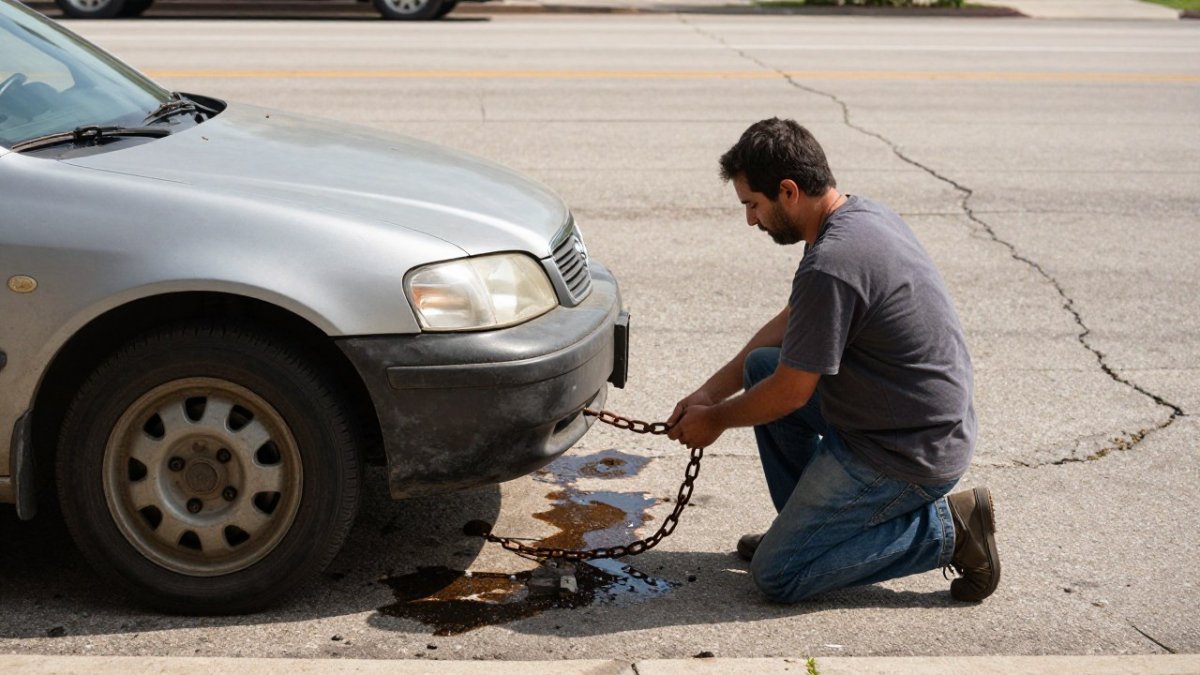
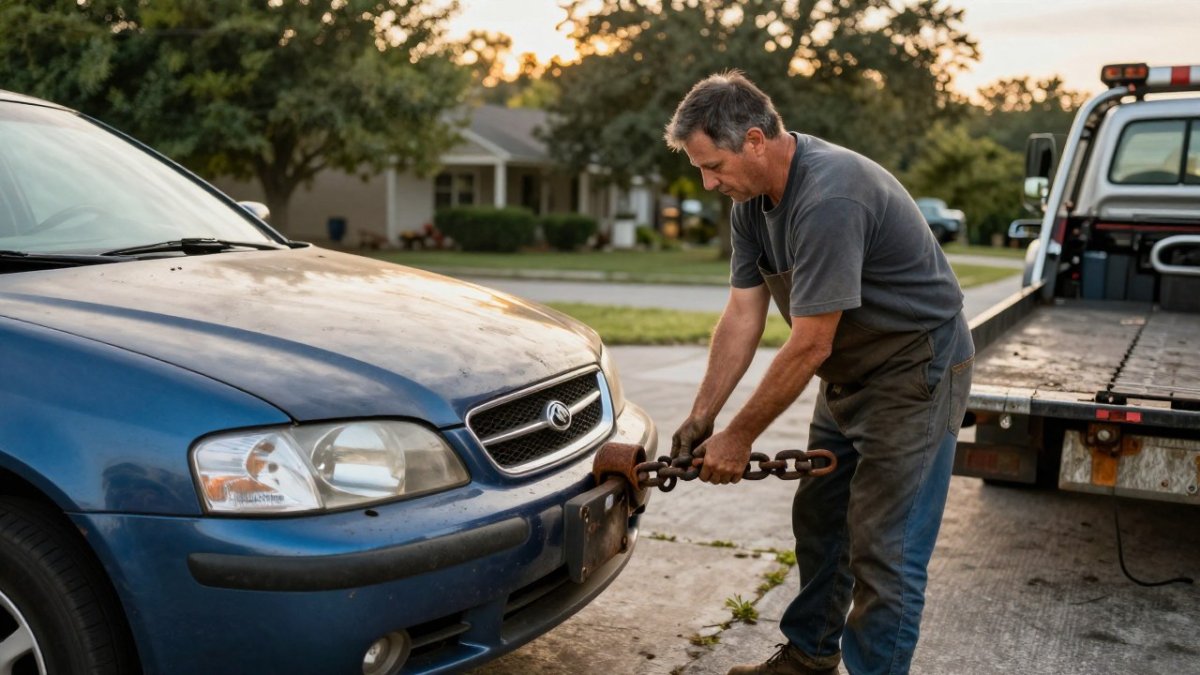
A car you cannot prove you own creates friction when it leaves your property, whether a tow operator, a scrap hauler, or a neighbor questions who authorized removal. Once you have decided to dispose of it, review the steps to remove a junk car from your property. A title in your name resolves the question before it starts. This matters most for vehicles that have sat for years and changed hands informally, where no one can produce a clean paper trail.
5. It Opens the Door to Registration and Insurance Before a Sale
Some buyers, and some state procedures, expect a vehicle to be registerable or insurable before transfer. A bonded title is the document that lets you register the car in your name, which in turn supports insurance and a lawful sale. For a non-running junk car this may be unnecessary, but for a repairable vehicle you intend to sell as a project, it can be the difference between a retail buyer and a parts buyer.
6. It Puts a Bond Behind You If a Prior Owner or Lienholder Appears
A bonded title places a surety bond behind the title, which can compensate a prior owner or lender who later proves a legitimate claim. Because of this, states generally ask applicants how they obtained the vehicle and why they lack the original title.
7. It Can Beat the Cost and Delay of Chasing Original Paperwork
Replacing a lost title or tracking down a prior owner can take months and still fail. A bonded title is often faster when the original documents are gone for good.
A common pattern is that the first, second, and seventh reasons carry the most weight for junk cars, because they directly affect whether the vehicle can be sold or removed.
The seven reasons below, and the caveat that can undercut each one, at a glance:
Reason | What it does | Junk-car caveat |
Gives a buyer something to sign against | Puts a title in your name for a normal sale | Branded titles can lower the offer |
Fits scrap and salvage paperwork | Gives processors a recorded ownership chain | Junked or dismantled cars may not qualify |
Cleans up inherited or gifted cars | Establishes ownership when paperwork is gone | Requires documenting how you acquired it |
Enables removal without disputes | Resolves who authorized removal | Mainly useful for long-idle cars |
Supports registration and insurance | Makes the car registerable before sale | Often unnecessary for non-running junk |
Places a bond behind the title | Compensates a prior owner or lienholder with a valid claim | Applicants must explain how they got the car |
Can beat the cost of chasing paperwork | Often faster when originals are lost | Bond and fees can exceed a low car's value |
Bonded Title Requirements: Who Qualifies and Which Cars Do Not
Requirements differ by state, but the application usually turns on three questions: who you are, how you got the car, and why you do not have the title. The junk-car angle is where most guides go quiet, so treat the categories below as a screening step before you spend money on a bond.
The Core Requirements Most States Share
Expect to document your identity and residency, your acquisition of the vehicle, your attempts to locate the original title or prior owner, and the vehicle identification number. Many states also require a vehicle inspection or a valuation to set the bond amount, and some require a title application fee plus a bond premium. Bond amounts are set by the state and are generally tied to the vehicle's value, so check your state's rules for how the amount is calculated.
Junk, Salvage, Abandoned, and Non-Running Vehicles Are Not the Same Category
This is the distinction most guides skip. A repairable salvage vehicle, a junked or dismantled vehicle, an abandoned vehicle, and a non-running vehicle with a clean history can each fall under different rules. Some states restrict bonded titles for vehicles already declared junk or dismantled, so confirm eligibility with your state motor vehicle agency. A non-running car with no salvage brand is usually the most straightforward case.
Vehicles That Commonly Do Not Qualify
Age limits, residency rules, title requirements, and category restrictions can each rule out a car. Eligibility rules, such as residency or vehicle age, vary by state. A vehicle with an active lien or a known prior owner who can be located may need a lien release or a title transfer instead of a bond.
A Verification Checklist Before You Pay for a Bond
Run through these questions with your state motor vehicle agency before you buy a bond:
Is a bonded title available for this vehicle category (junk, salvage, abandoned, non-running)?
Does the vehicle meet any age or value limits?
Do you meet the residency requirement?
Watch out: a bond premium and state fees can exceed the value of a true junk car, so price the whole process before you start. If the numbers do not work, a salvage certificate, a lien release, or an as-is sale to a buyer who accepts untitled vehicles may be the better route. You can find a junk car removal service that makes cash offers.
Selling a Junk Car Without a Title: Your Realistic Options
A bonded title is one route, but it is not the only one. If the car is not eligible, or the process is too slow, you can still sell it.

Ask any buyer directly whether they take cars without a title before you schedule anything. You can see if a Houston buyer purchases cars with or without titles. I Buy Junk Vehicles accepts vehicles that are non-running or have no title, so you can request a quote without first sorting out paperwork.
Bonded Title Problems and When It Is Not Worth Pursuing
A bonded title is not always the right move. Keep these limits in mind:
Eligibility can rule it out. Residency, vehicle age and title requirements may disqualify your car.
The process takes time. Paperwork and state review can stretch the timeline.
The title carries a brand. Some states mark bonded titles, which can affect later resale.
If the car's value is low and the process is long, selling it as-is may cost you less in time and money.
How Long It Takes to Get a Bonded Title and How to Start
Timelines vary widely by state, and no reliable national average exists. Start by contacting your state motor vehicle agency to confirm eligibility and gather the forms.
If you would rather skip the wait, get a quote from I Buy Junk Vehicles.
Get Quote: a clear title is not required to sell your junk car. I Buy Junk Vehicles can give you a no-obligation offer, tow the vehicle for free and pay you the same day.
Frequently Asked Questions
How difficult is it to get a bonded title?
Difficulty depends mostly on your state's rules and how well you can document how you acquired the vehicle. State motor vehicle agencies set the eligibility conditions, which can include residency and vehicle-age requirements. Applicants usually must explain how they got the car, why they lack the title, and what steps they took to find it. Gathering a bill of sale, purchase receipt, repair records, and a VIN inspection beforehand makes the application noticeably easier.
Can I get rid of a junk car without a title?
Sometimes, but it depends on where you live and the vehicle's condition. Some junk buyers accept no-title vehicles, and a bonded title can make the sale or transfer possible when the state requires ownership documents. Other options include applying for a bonded title, requesting a duplicate or corrected title through your state motor vehicle agency, or asking a buyer whether they accept no-title junk cars. Check with your state before assuming a car can be disposed of without paperwork.
Can I sell a car with a bonded title?
Yes. A bonded title is a legitimate state-issued title, and it generally allows the owner to register, insure, or sell the vehicle. Some buyers, lenders, or insurers may still ask about the bond history, so disclose that the title is bonded. The title may carry a brand or notation under state rules, so buyers should understand the history before committing.
What are the issues with a bonded title?
The main issues are the bond cost, the time required to process the application, and the fact that a bonded title does not guarantee no one else has a valid claim. The bond exists to protect a later claimant who proves rightful ownership, so a competing claim is still possible. Some buyers view bonded titles with caution, and certain vehicles or applicants may not qualify under state rules. Verify eligibility with your state before paying for a bond.

Comments